
A full window replacement makes sense once repairs can no longer keep drafts, fogging, and sticking sashes under control. A new weatherstrip or a replaced sash lock can buy a window several more good years. When the damage shows up across many windows at once, though, you're usually looking at new units.
Table of Contents
- Why Columbus Ohio Window Replacement Is Worth Considering
- Window Types Common in Columbus and Signs They Are Failing
- How the Central Ohio Climate Shapes Your Window Choice
- Understanding Window Replacement Costs and Financing
- Energy Efficiency Incentives That Lower Long-Term Costs
- Choosing a Contractor and Planning Your Project Timeline
- Frequently Asked Questions About Columbus Window Replacement
Why Columbus Ohio Window Replacement Is Worth Considering
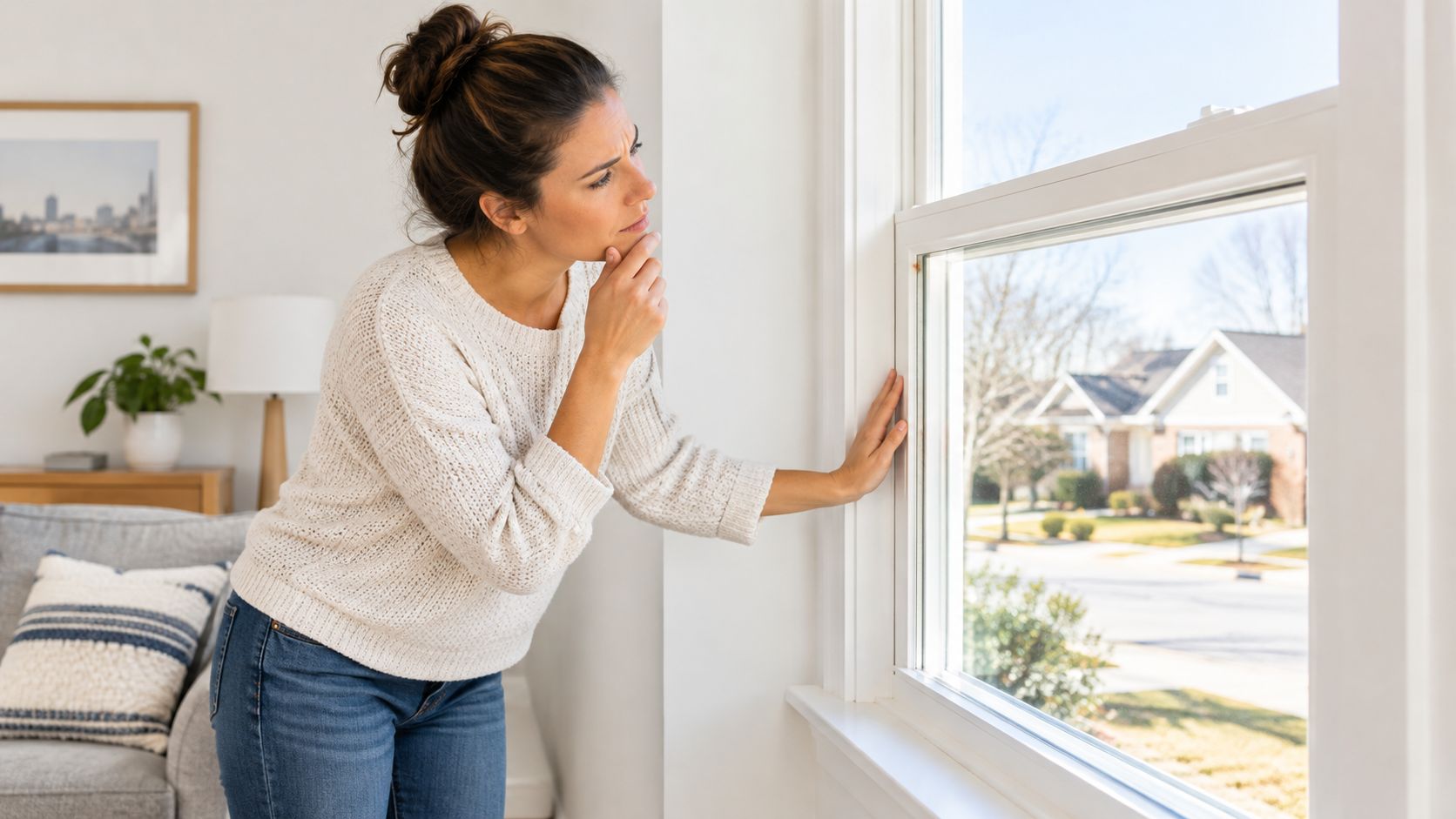
Most Columbus homeowners ask the same thing early on: is replacement worth the money, or will a repair get me through a few more winters? The honest answer depends on what your windows are telling you.
Think of each window as a weak spot in your home's outer shell. When one starts letting in air or soaking up moisture, the rest of the envelope has to work harder to make up for it. It's a lot like a front door with a cracked seal. You feel the breeze across the room, and your heating bill quietly climbs to cover the loss.
Signs a Window Needs More Than a Repair
Replacement usually makes more sense when a few of these warning signs show up together:
- Condensation between panes, which usually means the seal has failed
- Soft or rotted frames that can no longer hold hardware firmly
- Drafts you can feel when you hold the back of your hand near the glass
- Windows that stick or won't stay open
How a Typical Project Unfolds
Most projects follow the same basic path, from the first phone call to the final sweep-up. Here's what to expect:
- Inspection and measurement of each opening
- Product selection and material ordering
- Installation day, when old units come out and new ones get sealed in
- Trim work and final cleanup
Custom sizes take longer to arrive than stock windows, so plan on several weeks rather than a single afternoon.
Columbus Window Replacement Quick Summary
Keep this table handy when you start collecting quotes. It boils the decision down to four factors that come up again and again in Columbus homes.
| Decision Factor | What to Look For in Columbus | Why It Matters |
|---|---|---|
| Window condition | Fogging, rot, or failed seals | Repairs rarely fix widespread damage |
| Drafts | Cold air at the sill on winter days | Long, cold winters magnify heat loss |
| Age of home | Original or early insulated windows | Older units often reach end of life |
| Installation | Gaps around the frame and trim | Poor sealing undoes the gains from new products |
A documented, no-pressure inspection will always tell you more than guesswork. If you're also wondering about the resale side, take a look at Will New Windows Increase Your Home Value?
Window Types Common in Columbus and Signs They Are Failing
Not every window fails the same way. Knowing your window style helps you ask sharper questions when an estimate lands on your kitchen table.
Common Window Styles Across Columbus Neighborhoods
Walk down almost any street in Columbus and you'll see the same few window styles over and over. Each one opens and closes in its own way, so each one tends to break in its own way too.
- Double-hung: Two sashes slide up and down, much like a drawer in a dresser.
- Casement: A crank pushes the sash outward, a lot like a car door swinging open.
- Sliding: Panels glide side to side along a track.
- Bay and bow: Several units project outward from the wall and form a small alcove.
- Picture: A fixed pane that never opens, chosen mostly for the view.
A casement that won't latch and a double-hung that won't stay up can fail for very different reasons. The moving parts usually tell you where to look first.
Signs the Window Has Moved Past Repair
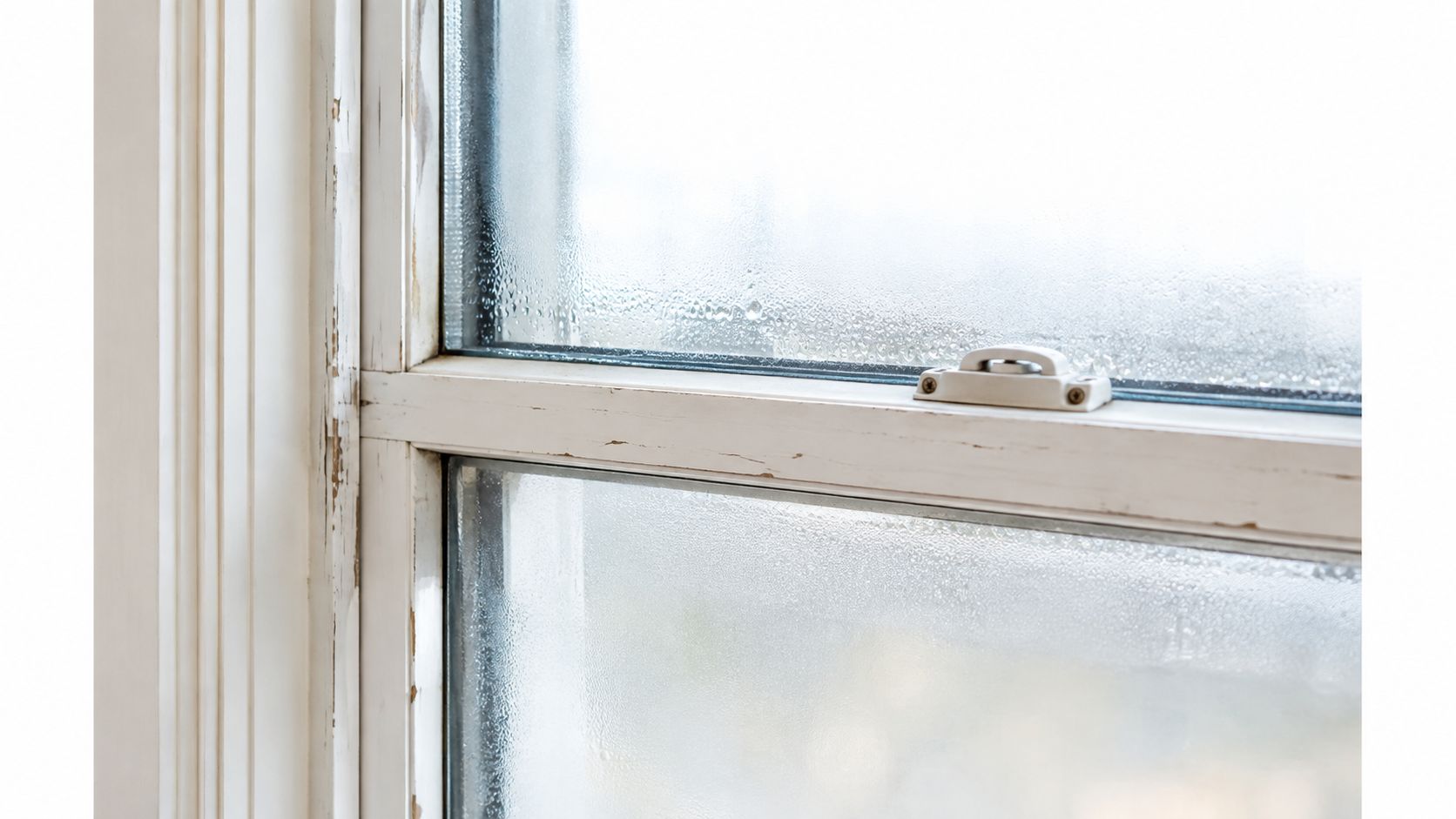
Some problems have a simple fix, like a worn latch or a sticky track. Others mean the whole unit has run its course. The clearest warning sign is moisture trapped between the panes.
Fog or droplets between the layers of glass usually mean the insulating seal has failed. Once that seal breaks, the gas fill that helped the window insulate leaks out, and the glass loses much of its efficiency.
- Soft or rotted frames: Press a screwdriver into the sill or jamb. If it sinks in, the wood has lost its strength.
- Drafts at the edges: On a windy day, hold the back of your hand near the sash and notice any cold air.
- Sticking or heavy sashes: A window that is painted shut or hard to lift may have a warped frame or worn balance hardware.
- Water staining: Brown or dark streaks on the trim or wall below a window often mean water is getting behind the frame.
Age alone doesn't prove a window has failed. Plenty of older windows still work well, and some newer units already struggle.
Columbus homes are older on average, with a median construction year around 1982, so a typical house is now about 44 years old in 2026. That means many homes still have original or early insulated-glass windows. You can read more about the numbers in Columbus housing demographics.
Documenting Symptoms Before You Call
Set aside twenty minutes on a bright day for a walk-through. Photograph each window from inside and out, paying attention to the sill, the frame corners, and any staining.
Jot down the date, the room, and what you noticed. A simple log turns vague worries into specific details a contractor can check.
Document each problem with a photo and a short note before you call. A clear file makes the inspection faster and the estimate more accurate.
Read more: how double-paned windows compare with older glass before you decide.
How the Central Ohio Climate Shapes Your Window Choice

Columbus winters run long and cold, and that puts real pressure on every window in the house. To measure that pressure, heating pros rely on a number called heating degree days.
Reading the Heating Degree Day Tally
Think of heating degree days as a running scorecard. Each day earns points for every degree the outdoor average falls below 65°F, the baseline used for heating math. On a chilly 40°F day, you rack up 25 points, and those points pile up fast over a winter.
Columbus averages roughly 5,233 heating degree days a year on that 65°F base. About 72% of the total lands in January, February, March, November, and December. A drafty window isn't a minor seasonal annoyance. It stays on the job for most of the year.
Curious about the timing? Take a look at Ohio heating season patterns to see when the cold really settles in.
Why the Window Is Only Part of the Story
A window is only as good as the wall around it. Frame condition, air sealing, flashing, and installation quality matter just as much as the brand on the label.
Picture a window meeting the roof or siding at a seam. If that seam leaks, even a premium unit will let warm air slip out right beside it.
Deciding Between a Seal Repair and Full Replacement
Plenty of homeowners assume a drafty window means a brand-new unit. A coordinated inspection tests that assumption, and in most cases it sorts the problems into three buckets.
- Seal or trim fixes cover failed caulk, gaps in flashing, or loose casing. These often cost a fraction of a full replacement.
- Installation corrections involve resealing, shimming, or re-flashing a frame that was set poorly to begin with.
- Full replacement becomes the right call when the frame, sill, or sash is damaged beyond a clean repair.
Each bucket comes with its own budget and timeline, which is what makes the decision so much clearer.
Climate numbers show what's at stake, but they can't promise a specific energy-bill drop for your home.
Turning Climate Data Into Your Next Step
Your local climate sets the stakes. Your home's wall system decides how much of that cold gets inside. Start with a documented inspection that checks the window, its frame, and the seams around it.
Use this quick map to see where to look first.
| Climate Factor | Where to Look | Why It Matters |
|---|---|---|
| Long, cold winters | Window frames and sills | Heat loss adds up month after month |
| Seasonal temperature swings | Caulk and sealant lines | Movement can crack seals |
| Heavy snow and rain | Flashing and drip edges | Water getting in wears down insulation |
Those checks give you a clear picture before any estimates show up. Share your findings with every contractor so their quotes address the same problems.
Understanding Window Replacement Costs and Financing
Cost is usually the last thing homeowners ask about, but once you know what pushes the number up or down, any quote gets easier to judge.
Think of it like shopping for a car. The sticker price tells you less than you'd expect. The options, the labor, and the extras that come with the deal matter just as much.
What Drives the Price
Several factors can move a window quote up or down. In most estimates, it comes down to these six items:
- Number of windows: Every opening needs its own materials and labor, so a ten-window job costs far more than a single swap.
- Style and size: Large picture windows and bay units need more glass, more bracing, and more crew time than a standard double-hung.
- Frame material: Vinyl, wood, fiberglass, and aluminum-clad frames each come with a different price tag and a different maintenance routine.
- Glass package: Double or triple panes, low-E coatings, and gas fills cost more up front, but they help the window perform better over time.
- Trim and exterior finish: Casing, brickmould, and paint or caulk work all add labor after the glass is in.
- Damaged framing: Rotted sills or jambs have to be rebuilt before a new unit can sit square and seal properly.
Typical Project Scopes Compared
This is where quotes tend to split apart. A small repair and a whole-house replacement sit at opposite ends of the same spectrum, so two bids can look wildly different even when both are honest.
| Project Scope | What Is Typically Included | Main Cost Driver |
|---|---|---|
| Single window repair | Sash hardware, weatherstripping, or seal work | Labor and access |
| Partial replacement | Several openings on one elevation, with trim | Number of units |
| Full-house replacement | All openings, removal, disposal, and exterior trim | Glass package and frame material |
| Framing rebuild | Replacement plus rot repair and sheathing fixes | Hidden structural damage |
Treat the table as a rough map rather than a price list. Your own quote will reflect your home's size, how hard it is to reach each window, and the materials you pick.
How Homeowners Pay for Replacement
Most projects are paid for in one of three ways. Each one trades off cost, speed, and paperwork differently.
- Cash: Paying from savings means no interest charges and a much simpler process.
- Home equity options: Home equity loans and lines of credit spread the cost over time, but your house serves as collateral.
- Manufacturer and lender programs: Promotional financing can offer set terms, so read the fine print before you sign anything.
A low monthly payment can hide a higher total cost. Always compare the full repayment amount, not just the monthly figure.
Getting an Itemized Written Estimate
A written estimate is your best tool for comparing bids. A single lump sum tells you almost nothing, while a line-by-line breakdown shows you where the money is going.
Ask that the estimate itemize:
- Materials, including the window model, glass package, and frame type
- Labor and removal of the old units
- Cleanup and debris haul-away
Get several bids for the exact same scope of work. When the details match, the differences in price become much easier to explain, and you're less likely to be surprised later.
If you want to dig deeper into one piece of the budget before you start collecting quotes, take a look at window frame replacement costs.
Energy Efficiency Incentives That Lower Long-Term Costs
For most Columbus homeowners, energy performance is the biggest money-saver with new windows. The real payoff, though, depends on what you have now, the design you choose, and how carefully the crew installs everything.
Why Windows Matter So Much
Think of your home as a sweater with a few holes in it. Patching one hole helps a little, but replacing the whole garment changes how warm you stay.
Windows commonly account for 30% to 40% of winter heat loss. Research summarized by ACEEE suggests advanced windows can cut whole-home energy use by about 7% to 16% compared with code-compliant windows in a new home. Older homes may see bigger gains. Read the full research on advanced window performance
Those numbers explain the stakes, but they don't promise a specific bill reduction. Savings vary widely from house to house, and nothing guarantees a particular outcome for yours.
Checking Your Eligibility for Incentives
Utility rebates and federal or state tax credits can bring down the net price of a new window. Still, these programs change over time, so double-check the current rules before you sign anything.
Start with your utility provider's website, then look at the federal and Ohio program pages. Ask your contractor which products qualify, and get that answer in writing.
Performance Features Worth Requesting
Low-E coatings are thin layers that bounce radiant heat back toward its source. Picture them as a winter coat for your glass, keeping warmth where it belongs.
- Low-E coatings: Ask for the glass details, including the coating type and where it sits.
- Insulating glass: Look for double or triple panes with sealed spaces that slow heat transfer.
- Certified labels: Look for the ENERGY STAR mark and a printed performance rating on each product sheet.
Using Certified Products as a Shortcut
The ENERGY STAR windows page below lays out the product categories and the criteria qualifying windows must meet. It's a useful starting point when you compare brands.
The takeaway is simple. A qualifying label narrows your search, but you still need the specific ratings for the exact product you buy.
Documenting Your Paperwork for Rebates
Rebate programs almost always ask for proof, so save every spec sheet, invoice, and label photo. A clear paper trail speeds up the claim and lowers the chance of a denied application.
Before you commit to a Columbus, Ohio window replacement, confirm eligibility and gather your documents first. Those simple steps protect both your monthly budget and your long-term savings.
Choosing a Contractor and Planning Your Project Timeline
In Columbus, installation makes or breaks a window job. You can buy the best window on the shelf and still get drafts, leaks, and callbacks if the crew rushes the install.
Think of a good contractor like a good surgeon. They walk you through the plan, answer your questions straight, and don't pick up a tool until you're comfortable.
A Practical Contractor Checklist
Run every bid through this list before you sign:
- Current licensing: Make sure it's active and matches the name on your estimate.
- Liability and workers' comp insurance: Get the certificates in hand, not just a verbal "we're covered."
- Written estimate: Materials, window count, removal, and cleanup should all be spelled out.
- Installation details: Ask how they flash, shim, and seal each opening, and if they follow the manufacturer's specs.
- Clear communication: Do they call back? Do they explain without rushing you?
No reputable company will push you to sign on the spot. If that "price expires today," walk away.
For example, HIBCO ROOF LLC is a licensed and insured Columbus-area contractor that provides free, written estimates before any work is authorized.
Mapping Out a Realistic Timeline
Most jobs follow the same five stages, from first visit to final walkthrough. It helps to know what's coming.
- Inspection and measurement: Tech checks each opening, frame condition, and old seals.
- Material ordering: Stock sizes can show up in days, custom units often take several weeks.
- Permits and approvals: Especially in historic districts, you may need sign-off first.
- Installation day: Crew pulls old units, sets the new ones square, and seals everything.
- Post-installation cleanup: Caulk, trim touch-ups, and full debris haul-away.
Planning Around Delays and Household Schedules
Weather moves dates more than anything else around here. Rain, high wind, or a hard freeze can stall sealant work, so leave a few days of buffer in your plan.
Custom windows add time too. One factory delay can push the whole install back, so ask for a realistic window — not one guaranteed date.
A flexible schedule is a sign of an honest contractor. Anyone who promises an exact day without mentioning weather or lead times is guessing.
Plan for your house, too. Have someone home to move furniture, keep pets secure, and look over the work as it goes.
What to Verify at Project Completion
Before you write that final check, look close:
- Sealing: Caulk lines should be clean and continuous with no gaps at the frame.
- Trim: Casing should sit straight with tight joints.
- Debris removal: No boxes, scraps, or dust left behind.
Check it all first, then pay. And keep your warranty papers stapled to your estimate where you can find them.
Good questions at this stage should clear things up, not leave you with more guesswork.
Frequently Asked Questions About Columbus Window Replacement
Can I Repair Just One Problem Window Instead of Replacing Them All?
Sometimes, yes. Have the inspector break it down by hardware, glass, frame, and installation.
A loose latch is like a flat tire — you fix the part. Widespread rot around the frame is a different story.
- Sticking bedroom sash: Ask for a repair-only price.
- Damaged living room unit: Get a full replacement price side by side.
That head-to-head comparison keeps you from treating every opening the same.
Choose the smallest scope that fixes the documented problem, not just the lowest starting price.
Does an Older Columbus Home Automatically Need New Windows?
No. Condition matters more than age. If the windows suit the house, always ask about repair first before you approve a full swap.
- Sound frames: Ask what a repair would look like.
- Historic properties: Check approval rules before you order anything.
- Recurring leaks: Find out exactly where water is getting in. It is not always the glass.
Compare Contractor Answers Before You Commit
What Should I Ask Before Signing?
Make them tie every line item to a photo or a specific condition you have seen. Then get it in writing who handles surprises, extra charges, and callbacks.
| Question | Written Detail to Request |
|---|---|
| What's included? | Product specifications and installation scope |
| What could change? | Process for approving additional costs |
| When is payment due? | Deposit and payment schedule |
Should Financing or Incentives Decide the Project?
Think of financing as a way to pay, not a reason to buy. Compare interest, fees, total repayment, and any promo fine print.
For performance basics, review the ENERGY STAR window guidance. Confirm any incentive is still available and that you qualify, and never build your budget on savings that are not guaranteed.
Plan Your Next Site Visit
Bring these three questions to every Columbus, Ohio window replacement consultation:
- What's failing? Bring photos and notes by room.
- How does winter expose it? Talk through drafts and cold spots.
- Which option fits my budget? Compare written scopes and total cost.
Ask HIBCO ROOF LLC for a free, no-pressure written estimate. Send your window photos and ask for both repair and replacement options before you decide.