
Replacement windows typically recover roughly two-thirds of their cost at resale nationally, with vinyl benchmarks ranging from about 67% to 76% and wood from about 63% to 70%. In Columbus, the strongest value usually comes from replacing failed, fogged, drafty, unsafe, or leaking windows, not from replacing every sound unit before listing.
The more useful question is not “Will new windows increase home value?” It's whether your current windows create a problem buyers, inspectors, or appraisers can see. A home with clean, operable, well-maintained windows may not justify a full replacement before sale. A home with condensation between panes, air leaks, damaged frames, or windows that won't open can lose negotiating power quickly.
Columbus buyers also compare the whole exterior. A new window won't compensate for an active roof leak, failing siding, or gutters that dump water against the foundation. Before approving a window proposal, compare the likely resale benefit with the condition of the rest of the home's envelope. Guidance on coordinating larger exterior projects is available in this overview of exterior home improvements.
Table of Contents
- Will New Windows Really Move the Needle for Resale Value
- What the Data Says About Window Replacement Returns
- How Appraisers and Energy Savings Shape Real Value
- Vinyl versus Wood Windows for Columbus Homeowners
- When Window Replacement Makes Sense Before Selling
- How to Decide Whether New Windows Are Worth It
Will New Windows Really Move the Needle for Resale Value
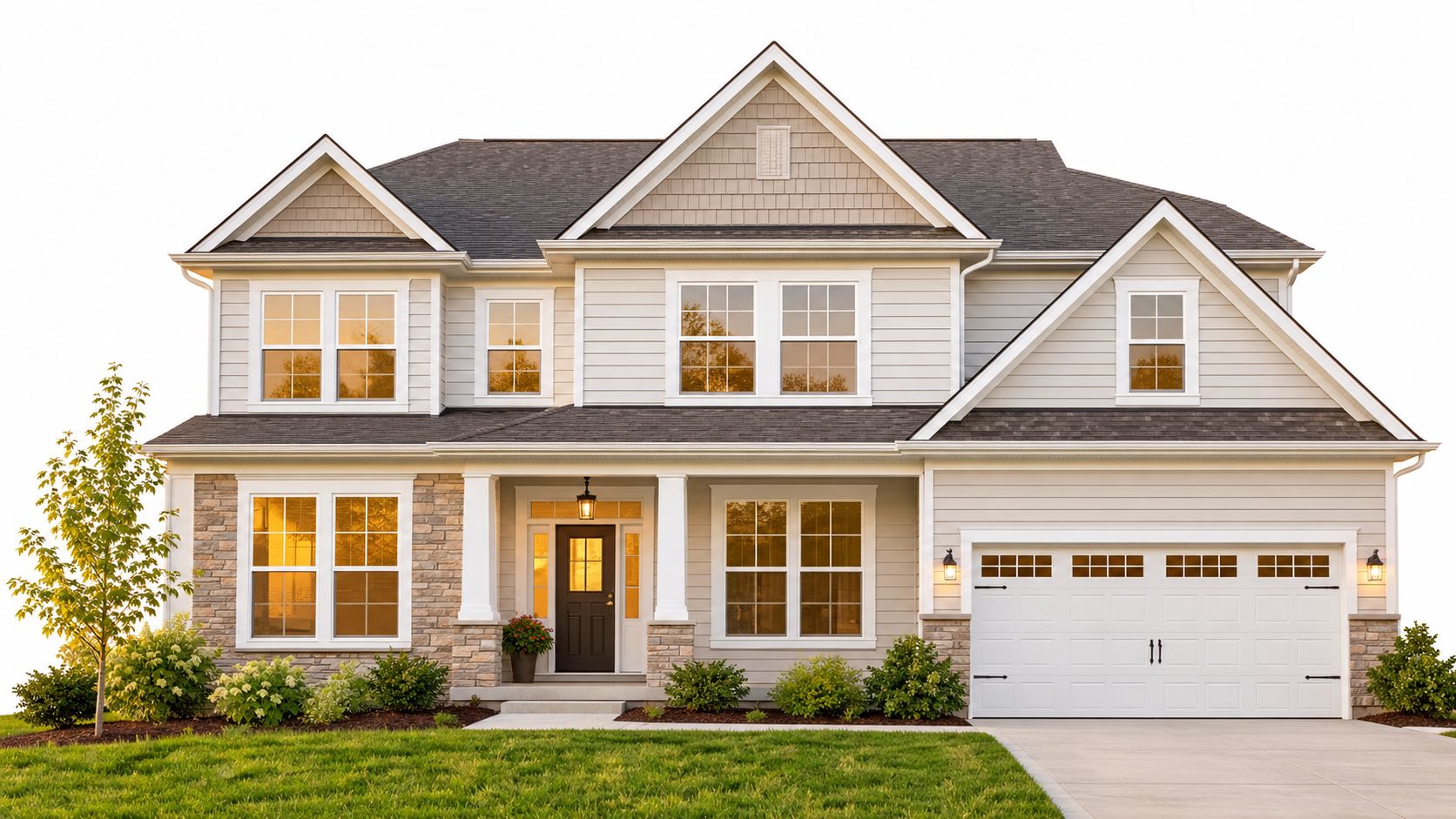
New windows can help a Columbus home sell more smoothly, but they rarely create a dollar-for-dollar return. The improvement works best when it removes a visible objection. Buyers understand that replacing a full set of windows can be disruptive and expensive, so they may reduce an offer when they see failed seals, rotted trim, sticking sashes, or obvious drafts.
That makes window replacement partly a marketability decision, not just an ROI calculation. Fresh windows can improve the exterior appearance, make rooms feel more comfortable, and reduce the list of maintenance projects a buyer expects to inherit. Those benefits may support a stronger offer, but an appraiser still has to compare the property with relevant Columbus-area sales.
Start with condition, not window count
Walk the house room by room and separate windows into three groups:
- Failed units: Fogged glass, damaged frames, water intrusion, or unsafe operation should receive the first attention.
- Weak performers: Drafty rooms, cold interior glass, and windows with deteriorated weatherstripping may justify replacement after inspection.
- Sound windows: Clean, functional units usually don't need replacement solely because they aren't new.
Prioritizing the worst windows can make more financial sense than installing a uniform package throughout the house. A buyer may forgive older but serviceable windows. They're less likely to overlook a bedroom window that won't open for emergency egress or a living-room unit with moisture trapped between panes.
Practical rule: Replace the windows that create an objection before replacing the windows that merely look dated.
Check competing exterior work
Roofing, siding, flashing, gutters, and windows work as a system. If water is entering through failed flashing or the roof is near the end of its service life, window work may not be the first project that protects value. An inspector's report that identifies active water intrusion can overshadow the appeal of upgraded glazing.
For a seller, the best order is usually:
- Correct safety and water-intrusion issues.
- Repair exterior defects that are obvious from the street or inspection.
- Replace windows that are visibly failed or difficult to operate.
- Document the work before photography, showings, and appraisal.
This approach gives Columbus homeowners a defensible answer. Yes, new windows may increase perceived and supported value. They're most effective when they solve a real deficiency, match the home's style, and leave clear evidence of quality behind.
What the Data Says About Window Replacement Returns
National benchmarks provide a useful starting point, but they aren't a Columbus appraisal. The National Association of Realtors' 2022 Remodeling Impact Report estimated that a standard vinyl-window project recovered 67% of its cost, while wood windows recovered 63%. The report used estimated contractor costs of $30,000 for vinyl and $48,000 for wood, with estimated recovered values of approximately $20,000 and $30,000, respectively.
Those figures describe recovered value, not a guaranteed increase in the listing price. A $30,000 vinyl project might contribute about $20,000 in resale value under that benchmark, while a $48,000 wood project might contribute about $30,000. The homeowner still absorbs the unrecovered portion, although comfort, energy savings, and lower maintenance can provide benefits during the ownership period.
| Window Material | Estimated Project Cost | Typical Resale Recovery Percentage |
|---|---|---|
| Vinyl | $30,000 | 67% |
| Wood | $48,000 | 63% |
A separate national benchmark cited by Money's cost-versus-value coverage places the cost of replacing 10 standard double-hung vinyl windows at roughly $21,000, compared with nearly $26,000 for 10 wood-framed windows. The reported resale return was approximately 65% overall, implying about $13,650 in recovered value from the vinyl project and roughly $16,900 from the wood project.
The same source also illustrates why material choice matters. Lower-cost vinyl can produce a stronger percentage return, while wood may create a larger absolute contribution when the project itself costs more. Neither result means a homeowner should choose material by percentage alone. The home's architecture, neighborhood expectations, maintenance tolerance, and selling timeline matter just as much.
Why the ranges vary
More recent secondary reporting of Cost vs. Value data places vinyl recovery around 67.1%, with some project scopes reaching roughly 68.5%, while wood recovery ranges around 61.2% to 62.9% in the cited estimates. Other reporting gives an upscale vinyl project a 76% recovery, based on a representative cost of $22,073 and an estimated resale contribution of $16,657, while an upscale wood project recovers about 70%, based on a $26,781 cost and $18,764 in resale value. These national estimates are discussed in this window replacement cost guide and this ROI analysis.
The spread doesn't mean the data is useless. It means project scope changes the answer. Window count, opening size, material, installation quality, the condition of existing units, climate, architectural style, comparable homes, and buyer expectations all influence the result. Central Ohio's climate makes comfort and air leakage relevant, but a national percentage still can't serve as a Columbus-specific appraisal adjustment.
A seller should use these figures to set expectations, not to promise profit. If the existing windows are sound, replacement may be hard to justify on resale alone. If several units are visibly failed, the project can prevent concessions and make the home easier to defend during inspection.
How Appraisers and Energy Savings Shape Real Value
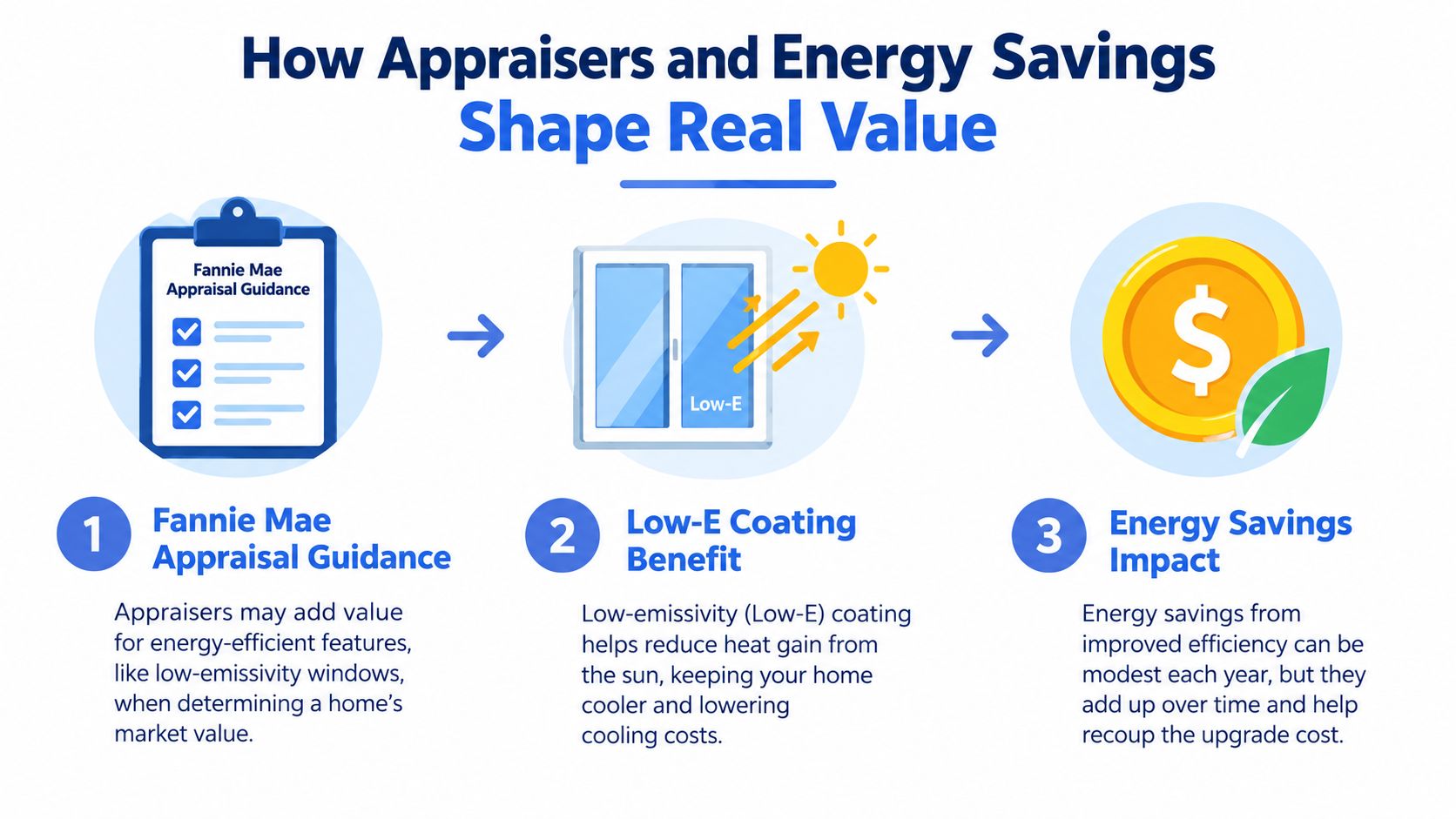
Will an appraiser treat new windows as added value in a Columbus home? Usually, the answer depends on the comparable sales and how buyers in that part of central Ohio respond, not on the installation invoice alone. Fannie Mae appraisal guidance recognizes energy-efficient features such as low-emissivity windows, but requires appraisers to compare them with similar properties and analyze the local market response.
That distinction shows up during sales. A seller may spend heavily on a premium window package, yet the invoice does not prove that buyers will return the same amount through the purchase price. An appraiser can consider cost or income analysis as supporting information, but Fannie Mae does not allow a mechanical dollar-for-dollar adjustment based on installation cost or projected energy savings.
Build a recognizable performance package
Documentation gives an inspector and appraiser something concrete to evaluate. Keep the proposal, final invoice, product specifications, warranty paperwork, applicable permits, and photographs of concealed work. Those records also help a buyer understand what was installed and whether warranty coverage transfers.
The most useful specifications describe the complete installed assembly:
- Low-e glazing: Helps control heat transfer through the glass.
- U-factor: A lower U-factor reduces non-solar heat transfer.
- Solar heat-gain coefficient: A lower rating reduces unwanted solar heat entering the home.
- Whole-window ratings: These cover the complete unit rather than only the center of the glass.
- Installation details: Air sealing, flashing, drainage, and proper fastening affect actual performance.
The U.S. Department of Energy's window guidance states that heat gain and heat loss through windows account for approximately 25% to 30% of residential heating and cooling energy use. That creates a credible ownership benefit. Properly selected and installed windows can improve comfort and operating performance, while giving buyers a feature they can verify through product records and inspection.
For Columbus sellers, the performance package should also make the pane configuration clear. The practical differences between single- and double-pane assemblies are explained in this guide to double-paned windows.
Treat energy savings as an ownership benefit
ENERGY STAR reports that replacing single-pane windows with ENERGY STAR-certified products can reduce household heating and cooling costs by up to 13% nationwide compared with non-certified products, as described in its residential windows guidance. That benchmark applies specifically to single-pane replacement. It does not guarantee the same result for a Columbus home with existing double-pane units, different window areas, or different installation conditions.
Energy savings can strengthen the project when you plan to stay in the home. They should not be presented as a guaranteed resale premium. Listing language works best when it names the certification, ratings, installation date, and warranty transfer terms.
Incentives change, so verify current federal, state, and utility programs before setting the budget. A promised incentive or appraisal adjustment should not be the reason to approve replacement windows.
Vinyl versus Wood Windows for Columbus Homeowners
Vinyl and wood can both be sensible choices, but they solve different homeowner priorities. Vinyl generally offers lower maintenance and a more accessible upfront cost. Wood can preserve the character of an older or architecturally distinctive Columbus home, but it demands more attention to paint, moisture, and exterior protection.
The national benchmarks discussed earlier show why vinyl often produces the stronger percentage return, while wood can contribute more absolute value on a higher-cost project. That doesn't make vinyl universally better. A well-designed historic-style home with wood details may look wrong with an inexpensive replacement unit, and buyers notice when a new product conflicts with the property's character.
| Priority | Vinyl Windows | Wood Windows |
|---|---|---|
| Initial budget | Usually the more economical choice | Typically requires a higher project investment |
| Maintenance | Lower exterior maintenance burden | Requires ongoing paint or finish maintenance |
| Appearance | Clean, consistent, and available in common styles | Strong architectural character and natural interior finish |
| Resale positioning | Practical appeal and broad buyer acceptance | Can suit traditional, historic, or premium homes |
| Best fit | Sellers seeking function, efficiency, and predictable upkeep | Owners preserving character or matching existing wood details |
Match the material to the house
A 1970s suburban home with standard siding may suit a well-installed vinyl package with balanced sightlines and appropriate trim. A century-old property with divided-light windows and substantial interior millwork may need a more careful design review. The wrong grille pattern, frame profile, or replacement proportion can reduce visual consistency even when the window performs well.
Neighborhood context matters too. Homeowners comparing older urban districts, established suburbs, and newer subdivisions can compare Columbus neighborhoods before deciding how much architectural character buyers expect. The comparison won't replace a contractor's measurement or an appraiser's analysis, but it can help prevent over-improving beyond nearby homes.
Avoid paying for features buyers won't recognize
Premium glass, custom colors, specialty shapes, and elaborate wood interiors may improve enjoyment, but buyers won't necessarily reimburse the added cost. If you're selling soon, choose durable, recognizable specifications and make sure the installation looks intentional from inside and outside.
If you're staying longer, wood's maintenance burden may be worthwhile for appearance, while vinyl's lower upkeep may matter more to a homeowner who wants predictable ownership costs. In either case, replacing sound windows solely to upgrade materials is difficult to defend through resale math.
When Window Replacement Makes Sense Before Selling
A Columbus seller once walks into a bedroom and finds a window that won't open, a fogged pane, and soft trim below the sill. That isn't a cosmetic issue. A buyer's inspector can identify the failed seal, question the moisture source, and recommend a concession or repair before closing.
In that situation, targeted replacement makes sense. The homeowner doesn't need to replace every unit automatically. The priority is the window that affects safety, visible condition, comfort, or the buyer's confidence in the rest of the exterior.
Scenario one with failed windows
Consider a central Ohio home with several drafty windows, one fogged insulated-glass unit, and peeling exterior trim. The roof is serviceable, the siding is intact, and the gutters drain properly. Replacing the visibly failed units, correcting trim and flashing, and preserving the product and warranty records can remove specific objections without turning the pre-sale plan into an unnecessary whole-house renovation.
Available national estimates indicate that standard vinyl replacements generally recover around 67% to 76% of project cost, while wood replacements typically recover around 63% to 70%, according to this cost-versus-value summary. Those figures reinforce the practical point: windows rarely function as a guaranteed profit center, but failed units can cost more in buyer concessions and lost confidence than their condition suggests.
The homeowner should obtain a written scope that identifies each opening, the reason for replacement, the proposed ratings, the flashing and air-sealing method, and the warranty terms. Installation quality matters as much as the product. A high-performing window installed without adequate drainage or perimeter sealing can create a new problem rather than a resale benefit.

Scenario two with sound windows
Now consider a well-maintained Columbus home with clean double-pane windows, intact weatherstripping, no condensation between panes, and sashes that operate normally. The homeowner plans to list soon and wants to replace everything with a premium package.
That project may improve appearance, but it probably won't justify itself through resale recovery. Buyers may appreciate the update, yet the appraiser still needs comparable market evidence. If the roof has aging shingles, the siding is deteriorated, or the gutters overflow, those projects may deserve priority because they address water management and visible deferred maintenance.
Use this order of operations:
- Protect the structure: Address leaks, rot, unsafe conditions, and water intrusion first.
- Repair the visible envelope: Evaluate roof, siding, trim, flashing, and gutters together.
- Target failed windows: Replace units that create inspection or comfort objections.
- Document everything: Keep specifications, invoices, permits where applicable, photographs, and transferable warranties.
- Avoid cosmetic overreach: Don't replace functioning windows merely to chase a national percentage.
A replacement proposal should serve the home's condition and its likely buyers. The right project may involve a few high-priority openings, a full set of windows, or no replacement at all before listing.
How to Decide Whether New Windows Are Worth It
Use a practical test rather than asking whether new windows always add value. Replacement deserves serious consideration when the current units are fogged, drafty, leaking, unsafe, difficult to operate, or visibly deteriorated. Sound windows usually rank lower than active roof defects, siding failure, drainage problems, or other issues that can dominate an inspection.
Before choosing a contractor, confirm five points:
- Condition: Which windows create a real objection?
- Scope: Are you replacing only failed units or changing the entire exterior appearance?
- Material: Does vinyl or wood suit the house, budget, and maintenance plan?
- Evidence: Will you receive product labels, performance specifications, invoices, warranty terms, and installation records?
- Priorities: Could the same budget better address the roof, siding, gutters, or water management?
For unusual architectural openings, compare standard replacement options with custom products and find the right residential steel frames when the design calls for a stronger architectural statement. The important point is fit. A premium material won't create a reliable return if it conflicts with the home or exceeds nearby buyer expectations.
If window work is appropriate, use a documented installation process such as the one described in this guide to window replacement. Then give the listing agent a concise project file, including the date, manufacturer, ratings, warranty, and photographs. That information won't force an appraisal adjustment, but it makes the improvement easier to recognize during inspection and resale negotiations.
HIBCO ROOF LLC provides window consultation and installation along with roof, siding, gutter, and skylight services for Columbus and central Ohio homeowners. Visit HIBCO ROOF LLC to request a free, no-pressure estimate and determine whether windows or another exterior repair should come first.