You notice the problem after the next hard Columbus storm. Water spills over the gutter corners, a few shingles sit crooked in the yard, and the siding that looked fine from the driveway now shows gaps, fading, and loose edges. That is how small exterior issues turn into expensive interior repairs.
Central Ohio is hard on houses. Hail, wind, heavy rain, summer humidity, and freeze-thaw swings hit the same weak points over and over. Roofs take the first blow, but gutters, skylights, siding, and windows usually fail as part of the same chain. Ignore one weak system and the others follow.
This guide ranks 10 exterior upgrades by return on investment and climate resilience for Columbus homeowners. The focus is practical. What costs the most to ignore, what holds up best in local weather, how long each project usually takes, and which upgrades improve storm protection instead of just changing the look of the house. If roof pricing is part of your plan, start with this breakdown of roof replacement cost in Columbus.
You will also get local planning advice that homeowners usually miss. That includes where leaf buildup overwhelms gutter runs, why flashing details matter more than skylight brand names, and which materials hold up better on homes exposed to west-side wind and open-lot weather. For broader product context outside Ohio, Outdoor Leisure Living for quality roofing is a useful reference point. If your project includes outdoor living space too, compare decking materials before you lock in colors and finishes.
Start with the upgrade that protects the house first. Cosmetics can wait.
Table of Contents
- 1. Roof Replacement with Modern Asphalt Shingles
- 2. Seamless Gutter Installation and Leaf Guard Systems
- 3. Comprehensive Storm and Hail Damage Assessment with Insurance Support
- 4. Skylight Replacement with Integrated Flashing Systems
- 5. Vinyl Siding Replacement for Durability and Low Maintenance
- 6. Window Replacement for Energy Efficiency and Enhanced Curb Appeal
- 7. Free Professional Roof Inspection and Condition Assessment
- 8. Roof Leak Diagnosis and Targeted Repair Solutions
- 9. Impact-Resistant Roofing for Storm and Hail Protection
- 10. Roof Design Visualization and Color Selection Planning
- Exterior Home Improvements, 10-Service Comparison
- Next Steps for Your Exterior Upgrade
1. Roof Replacement with Modern Asphalt Shingles
You notice it after a hard Columbus storm. A few shingles in the yard, dark streaks near the valleys, and a ceiling stain that was not there last month. At that point, a roof replacement is not a cosmetic project. It is the exterior upgrade that protects everything else you plan to improve.
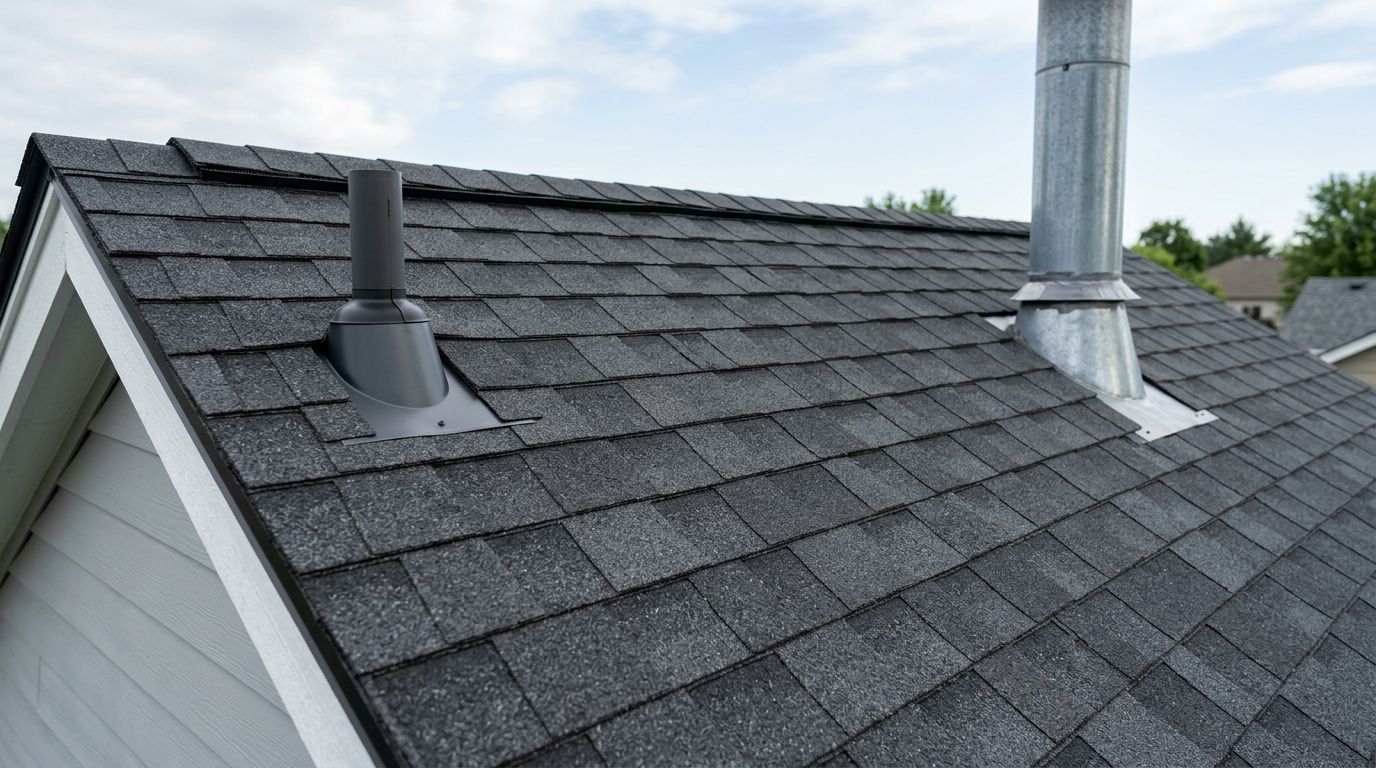
For ROI and climate resilience, this upgrade deserves the top spot in Columbus. Central Ohio roofs take wind, hail, freeze-thaw cycles, heavy spring rain, and long stretches of summer heat. An aging roof lets those conditions reach the decking, flashing, attic ventilation, insulation, gutter line, and eventually the rooms below.
Modern asphalt shingles are still the right call for many homes in Dublin, Westerville, Grove City, Reynoldsburg, Bexley, and Clintonville. They match a wide range of home styles, install faster than many premium materials, and keep replacement costs within reach for homeowners who want strong protection without a full exterior redesign. If your roof has curling tabs, heavy granule loss, repeated leak repairs, or soft decking near penetrations, stop paying for patches. Replace it.
Why it ranks first in Columbus
Put the budget where the risk is highest. A failing roof can ruin insulation, stain drywall, rot trim, and shorten the life of gutters and siding below the eaves. New shingles also improve curb appeal fast, which matters if resale is part of the plan.
For many Columbus homeowners, this is the upgrade that resets the whole exterior. You can find more information at Outdoor Leisure Living for quality roofing.
Here is the practical target for planning:
- Best fit: Homes with widespread shingle wear, storm damage, visible aging, or recurring leaks.
- Typical Columbus cost: Usually about $9,000 to $18,000 for an average asphalt shingle replacement, depending on roof size, pitch, decking repairs, ventilation upgrades, and shingle class.
- Typical timeline: Most asphalt replacements take 1 to 3 days on site. Larger or steeper roofs can take longer, especially if damaged decking needs replacement.
- DIY or pro: Pro only. Tear-off, underlayment, flashing, ventilation, and disposal need an experienced crew.
- Storm-proofing move: Upgrade to a higher-wind-rated architectural shingle and ask whether impact-resistant shingles make sense for your neighborhood if hail claims are common.
Do not approve a roof quote that skips flashing replacement at chimneys, walls, skylights, and pipe penetrations. Those details decide whether the new roof stays dry. Ask for ice and water protection in vulnerable areas, attic ventilation verification, and a clear explanation of what happens if rotten decking turns up during tear-off. If you want a starting point for budgeting, review this roof replacement cost guide. While you are planning the full roofline, it also helps to review how to clean gutters without a ladder so runoff problems do not undercut the new system.
2. Seamless Gutter Installation and Leaf Guard Systems
If your gutters overflow, back-pitch, or leak at joints, they're not doing a minor job poorly. They're failing at water control. That leads to splashback on siding, erosion near walkways, foundation moisture problems, and rot at trim and fascia.
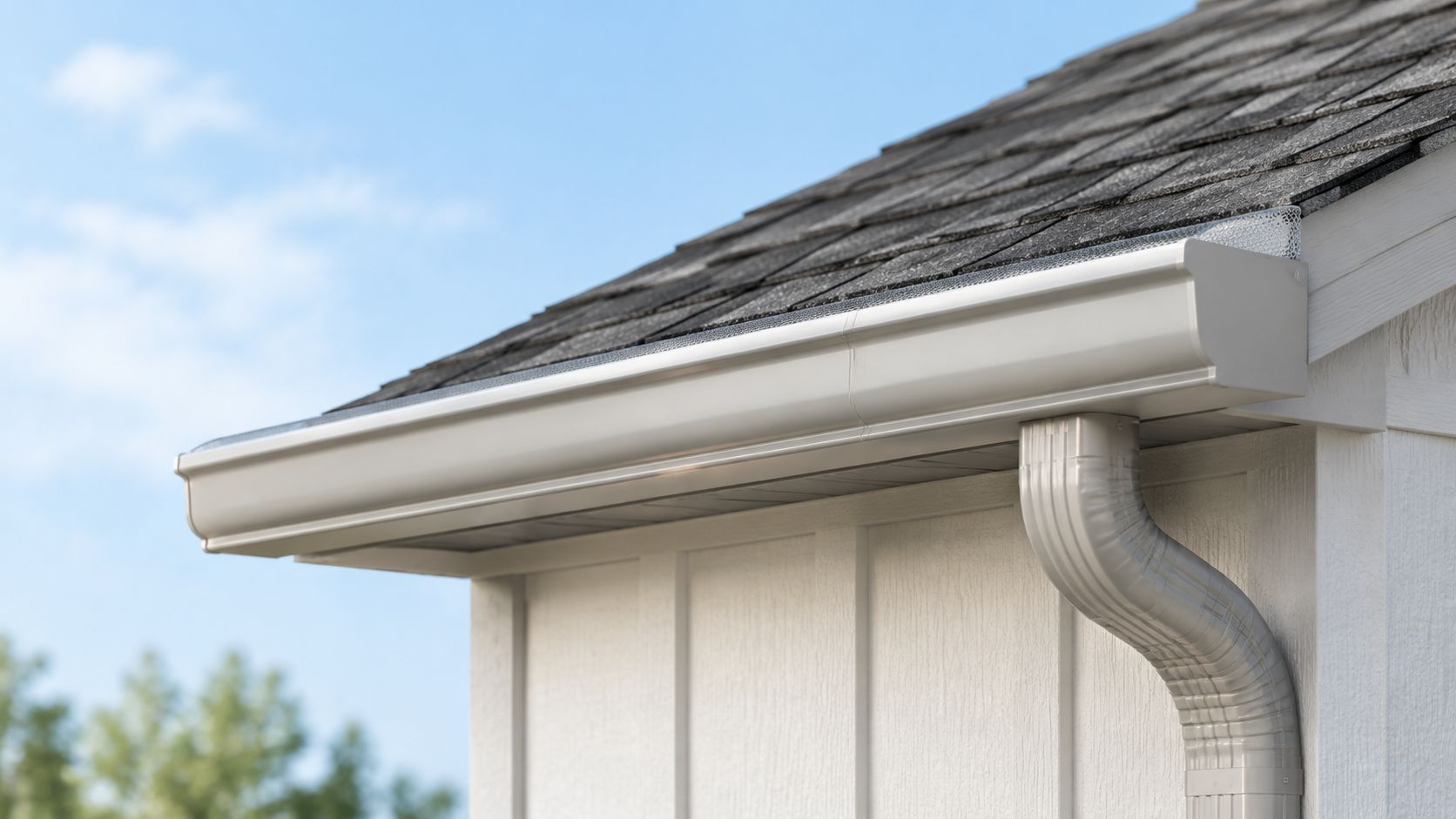
Continuous gutters are the better choice for most Columbus homes because they remove the joint failures that plague sectional systems. Add leaf guards if you've got mature trees in neighborhoods like Upper Arlington, Worthington, or older parts of Hilliard. That's where clogging turns into constant ladder work fast.
Where most gutter projects go wrong
The bigger mistake isn't just choosing the wrong gutter profile. It's treating the gutters as a standalone project. One of the biggest gaps in exterior planning is failing to coordinate roof runoff, downspout discharge, grading, and landscaping, according to exterior planning guidance on water management. If the downspout dumps next to the foundation, the system still fails.
Here's the no-nonsense approach:
- Match discharge to site conditions: Extend water away from the house, especially where lots slope back toward the foundation.
- Install guards during replacement: Retrofitting later is usually less efficient and often leaves old alignment issues in place.
- Check after storms: Wind can loosen hangers, dent runs, or shift downspout elbows.
For maintenance planning, this gutter cleaning guide without a ladder helps you think through what still needs attention, even with guards installed.
A ranch in Pickerington with clean roof lines and oversized maple trees benefits from continuous gutters and guards more than almost any decorative exterior upgrade. Water control is what keeps the rest of the house intact.
3. Comprehensive Storm and Hail Damage Assessment with Insurance Support
After a strong storm, most homeowners only notice the obvious. A torn shingle in the yard. A dented downspout. Maybe a piece of fascia on the lawn. What they often miss is the pattern of damage across roof slopes, soft metals, siding faces, window screens, and flashing details.
That's why storm assessment ranks this high. Columbus and central Ohio homeowners need someone to inspect the whole exterior system, document what happened, and organize the photos and scope clearly enough for an insurance process. If you wait too long, evidence gets harder to tie back to a specific event.
What to document after a storm
Start with wide photos of every elevation, then move closer. Capture gutters, downspouts, siding, roof accessories, skylights, vents, screens, and any visible debris impact. Don't climb the roof if conditions are slick or the deck may be compromised.
Get the inspection early. Insurance support is strongest when the damage record is clean, consistent, and tied to what happened right after the weather event.
A practical Columbus example is a west-facing elevation that took direct hail and wind while the rear slope looks fine from the ground. Homeowners often assume the whole roof is either ruined or untouched. Neither assumption helps. A proper assessment separates functional damage from cosmetic marks and tells you whether repair, partial replacement, or full replacement makes sense.
- Best fit: Homes hit by hail, straight-line wind, fallen limbs, or sudden water intrusion after a storm.
- DIY or pro: DIY photos are useful. Scope writing and roof-level inspection should be professional.
- What to ask for: Marked photos, written notes by elevation, and a clear explanation of next repair steps.
This isn't a flashy upgrade. It's one of the most valuable exterior moves you can make when a storm rolls through Franklin County.
4. Skylight Replacement with Integrated Flashing Systems
Old skylights cause two problems at once. They become leak points on the roof, and they underperform inside the house through drafts, seal failure, or poor solar control. Replacing the unit with a modern skylight and a proper flashing kit fixes both.
In Columbus homes with finished attics, kitchen vaults, upstairs hallways, or dark bathrooms, skylights still make sense. The key is refusing the shortcut install. Caulk-heavy patch jobs around an old curb don't hold up well through freeze-thaw cycles and wind-driven rain.
How to avoid repeat skylight leaks
Skylight replacement should be tied directly to roof integration. That means underlayment continuity, manufacturer-approved flashing, correct curb or deck-mount selection, and proper shingle weaving around the unit. It also means placing the skylight where it improves daylight without overheating a room in late summer.
A common real-world scenario in central Ohio is the older acrylic dome skylight above a bathroom or stairwell. It may not be actively leaking every week, but staining around the opening, recurring condensation, and seal issues usually tell the story. That's when replacement beats repeated resealing.
- Best fit: Homes with aging skylights, chronic staining around the shaft, or visible flashing wear.
- DIY or pro: Pro only. Roof integration errors around skylights are expensive.
- Smart planning move: Combine skylight replacement with a roof replacement if both projects are coming soon.
- Maintenance tip: Check interior trim for subtle discoloration after hard rain, not just obvious dripping.
Done right, a skylight upgrade adds natural light without turning the roof into a future leak source. Done wrong, it becomes the callback no one wanted.
5. Vinyl Siding Replacement for Durability and Low Maintenance
When siding starts failing, the house usually looks tired before it looks damaged. Faded panels, loose courses, cracked corners, and swollen trim don't always scream emergency, but they signal that the exterior shell is aging out.
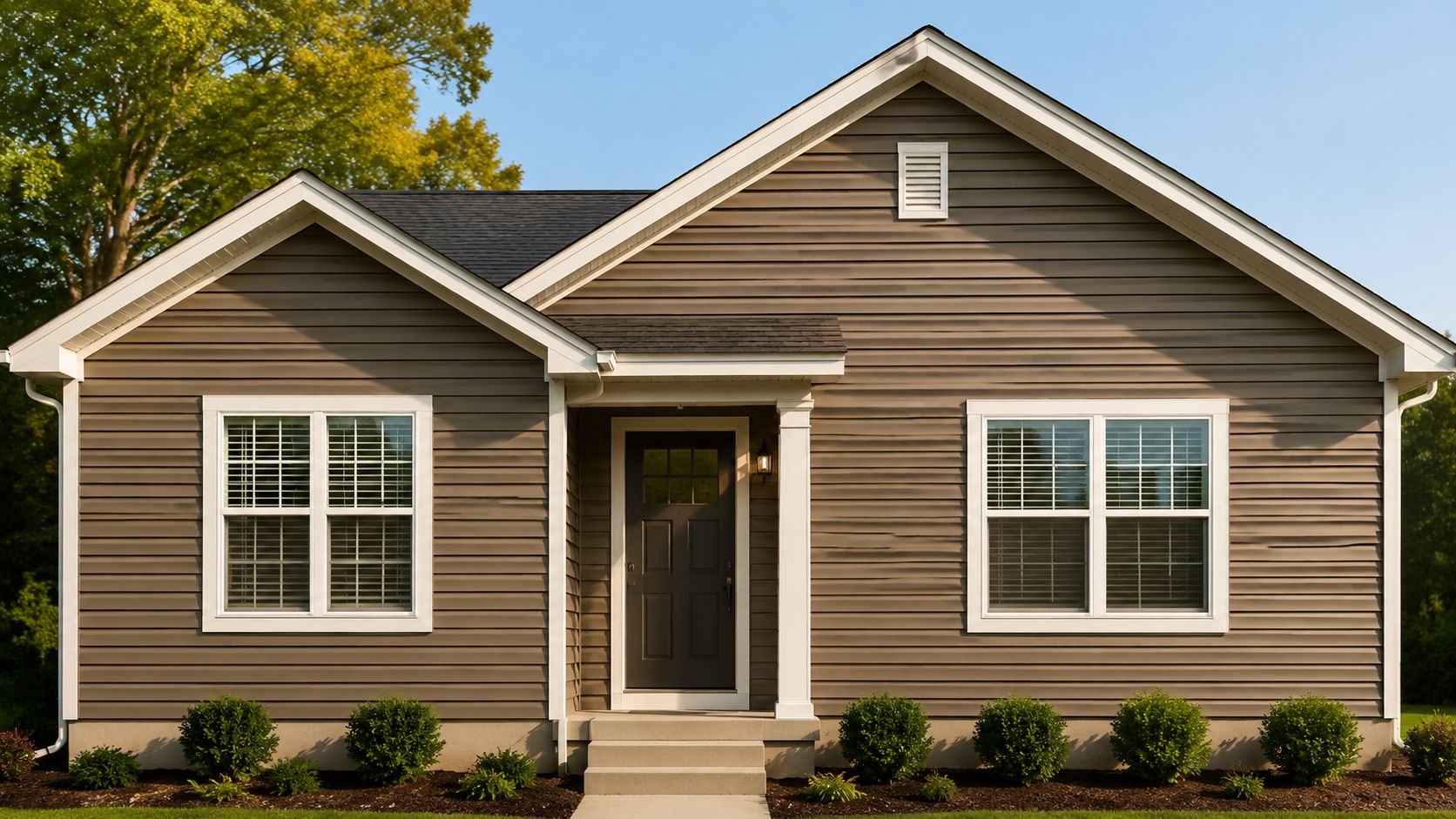
Vinyl siding ranks high because it handles Columbus weather well with low upkeep. It works especially well for homeowners who want a cleaner exterior, less repainting, and better coordination with new roofing, soffit, fascia, and gutters. For split-levels, colonials, and ranch homes across central Ohio, it's often the most practical siding reset.
Best uses for vinyl in central Ohio
The biggest advantage is resilience with manageable maintenance. The biggest mistake is picking siding by color only. Material choice should match local exposure to sun, moisture, drainage conditions, and wind, because too much exterior content still ignores climate-specific durability decisions, as noted in guidance on climate-based exterior material selection.
That matters in Columbus. South- and west-facing walls take stronger sun exposure. Low areas near poor drainage take longer to dry. Mature tree cover can hold moisture against elevations that look protected from the street.
- Best fit: Homes with faded, brittle, storm-damaged, or high-maintenance siding.
- DIY or pro: Small panel swaps are possible for experienced owners. Full replacement should be professional.
- Good pairing: Roofing, gutters, and trim updates completed in the same planning cycle.
- Planning help: Review this vinyl siding replacement cost overview before narrowing materials.
A Reynoldsburg colonial with worn aluminum trim and dated siding can look substantially cleaner and hold up better with modern vinyl installed correctly, including proper fastening and room for expansion.
6. Window Replacement for Energy Efficiency and Enhanced Curb Appeal
Windows do more than frame the view. They control drafts, moisture, noise, solar heat gain, and the visual rhythm of the front elevation. If you've already upgraded the roof or siding, old windows can make the rest of the house still feel unfinished.
This project also sits inside a much larger market trend. The global home improvement market was valued at about USD 894.20 billion in 2024 and is projected to reach USD 1,320.00 billion by 2034, while North America was valued at USD 308.00 billion in 2025 and projected to reach USD 385.19 billion by 2034, according to home improvement market projections. Homeowners keep spending on practical upgrades that improve durability, comfort, and exterior appearance.
Window choices that make sense in Columbus
For Columbus homes, focus on airtight installation and water management before style upgrades. A good-looking window installed poorly still leaks air and can still direct water into the wall. That's why replacement should include flashing review, trim detailing, and a clear plan for tying the new unit into existing siding.
Better windows help most when the installer treats them as part of the wall system, not as isolated products.
A straightforward example is a 1990s two-story home with fogged double-pane units on the weather side. Replacing the most exposed windows first can improve comfort and appearance immediately, even if you phase the rest later.
If you're comparing exterior updates around resale prep, these actionable tips to enhance curb appeal can help you prioritize what buyers notice first.
7. Free Professional Roof Inspection and Condition Assessment
A free roof inspection belongs on this list because it prevents bad timing. Too many homeowners either replace too late, after interior damage starts, or too early, because no one explained what's happening on the roof.
A useful inspection should answer simple questions clearly. Is the roof aging normally? Are the weak points concentrated around flashing, ventilation, or isolated repairs? Are gutters contributing to roof-edge wear? Is there visible storm damage, or just cosmetic aging?
What a useful inspection should include
Ask for photos, not just opinions. You want documented views of penetrations, valleys, ridge lines, pipe boots, step flashing, skylights, gutter lines, and any suspect decking areas or sagging sections. If the contractor mentions ventilation problems or prior improper repairs, that should show up in the report.
A practical Columbus use case is the homeowner preparing to list in spring. A documented inspection helps them decide whether to repair visible defects, disclose age and condition as-is, or replace before buyers start asking questions. It also helps owners who've had recent storms but don't yet know if they need claim-related documentation.
- Best fit: Homes older than their last documented roof service, properties heading to market, and houses exposed to recent storms.
- DIY or pro: Ground-level visual checks are fine. Full condition assessment should be professional.
- What separates a good inspection: Written findings, photos, and a timeline for action rather than a hard sell.
This is one of the easiest exterior home improvements to start because it gives you decision-quality information before you commit money.
8. Roof Leak Diagnosis and Targeted Repair Solutions
A ceiling stain doesn't tell you where the roof leak started. Water travels. It can move along framing, soak insulation, drop at a drywall seam, and make the interior evidence look several feet away from the actual entry point.
That's why targeted leak diagnosis matters. If the roof still has useful life left, a precise repair can save you from replacing the whole system too early. The key is checking the places that usually fail first.
Start at the transitions, not the shingle field
Roughly 90% of asphalt shingle roof leaks happen at penetrations and transitions, including pipes, chimneys, walls, skylights, and valleys, according to asphalt shingle leak diagnosis guidance. On Columbus homes, that means pipe boots, chimney flashing, sidewalls, and older skylight connections deserve immediate attention.
If the leak is isolated and the rest of the roof system is holding up, targeted repair makes sense. If repair pricing starts getting too close to replacement, use the recognized decision rule. When a repair costs more than 30% of a full replacement price, replacement usually saves more over the next 10 years, according to roof repair versus replacement guidance.
- Best fit: Isolated leaks, flashing failure, pipe-boot deterioration, and valley issues.
- DIY or pro: Interior documentation is DIY. Exterior diagnosis and repair should be professional.
- Watch for this: Repeat leaks in the same area usually signal that the original source wasn't fixed.
A Columbus homeowner who keeps patching around a chimney without rebuilding the flashing detail is paying for the same problem repeatedly. Diagnosis has to come before repair.
9. Impact-Resistant Roofing for Storm and Hail Protection
Not every homeowner needs to pay extra for impact-resistant roofing. Some absolutely should. If your part of central Ohio gets regular hail exposure, if you've already filed storm-related claims, or if your current roof has taken repeated hits, this upgrade deserves serious consideration.
The value here is durability under real weather stress. It's especially relevant for homes with broad, exposed roof planes and little tree cover. Those houses take the full force of hail and wind-driven debris.
When this upgrade is worth the premium
Impact-resistant shingles make the most sense when you're already replacing the roof or when storm history makes standard materials feel like a temporary answer. They can also help owners who want a more resilient setup before the next claim cycle, not after it.
A good Columbus example is a newer suburban home in an open development with very little shielding from surrounding trees or structures. In that setting, a stronger shingle choice is a practical risk-management decision, not just a product upgrade.
Don't buy this upgrade on label alone. Ask how the contractor handles underlayment, flashing, ventilation, and manufacturer installation requirements. The whole system matters.
- Best fit: Hail-prone exposures, repeated storm damage history, and owners replacing a roof for long-term hold value.
- DIY or pro: Pro only.
- What to request: Product documentation, warranty details, and a clear explanation of compatibility with the full roofing system.
This is one of the best exterior home improvements for homeowners who are done gambling on average materials.
10. Roof Design Visualization and Color Selection Planning
A lot of homeowners make roofing choices from a small sample board in a parking lot. That's how you end up with a roof that technically works but clashes with the brick, siding, shutters, or stone on the house.
Visualization tools solve a practical problem. They let you see how architectural shingles and color blends will look on your actual home before the crew starts tearing off the old roof. That matters more than people expect, especially when the roof takes up so much of the street view.
Color planning that prevents expensive regret
In Columbus neighborhoods with mixed exterior palettes, color selection needs discipline. A warm brick house usually wants a different shingle family than a cool-gray siding package. Homes with newer black windows or dark gutters need roof colors that tie those elements together rather than fight them.
A smart use case is the owner replacing both roof and siding within the same year. Visualization helps prevent mismatched undertones and lets you compare bolder versus safer combinations before ordering materials.
- Best fit: Homes getting full roof replacement, siding coordination, or resale-oriented curb appeal work.
- DIY or pro: Homeowners can gather photos and samples. Final visualization is best done with contractor tools and product-specific swatches.
- What to bring: Daylight photos, trim color, siding color, brick tone, and any HOA requirements.
This upgrade rounds out the list because good planning protects the investment you've already made. A durable roof should also look like it belongs on the house.
Exterior Home Improvements, 10-Service Comparison
Columbus homeowners usually ask the wrong question first. They ask which upgrade looks best. The better question is which project gives the strongest return while holding up to hail, wind-driven rain, heavy leaf drop, and freeze-thaw swings.
Use this comparison to rank the 10 services by payoff, durability, and project fit. If you own a Central Ohio home, start with water control and storm protection before you spend on appearance.
| Improvement | ROI and Resilience Rank | Columbus Cost and Timeline | Implementation Complexity 🔄 | Ideal Use Cases 💡 | Key Advantages ⭐ |
|---|---|---|---|---|---|
| Roof Replacement with Modern Asphalt Shingles | 1 | Mid-to-high cost. Usually 1 to 3 days | Moderate to high, full tear-off and system install | Aging roofs, active leaks, preparing to sell | Strong resale appeal, better weather protection, wide color range |
| Joint-free Gutter Installation and Leaf Guard Systems | 2 | Low-to-mid cost. Often 1 day | Low to moderate, precise slope and downspout placement | Homes with trees, overflow, pooling water, foundation splashback | Reduces clogs, controls runoff, cuts maintenance |
| Detailed Storm and Hail Damage Assessment with Insurance Support | 3 | Low direct cost if bundled with repair planning. Often same day to 2 days for inspection and documentation | Moderate, inspection plus claim documentation | After hail, wind events, missing shingles, visible granule loss | Clear photos, faster claim handling, fewer missed problem areas |
| Skylight Replacement with Integrated Flashing Systems | 8 | Mid-to-high cost. Usually 1 day per unit | Moderate to high, roof penetration and flashing work | Failed skylights, repeated leaks, fogged glass, roof replacement coordination | Stops repeat leak cycles, improves daylight, updates aging units |
| Vinyl Siding Replacement for Durability and Low Maintenance | 5 | High total project cost. Often several days to a week | Moderate, removal, house wrap review, trim and panel install | Faded, cracked, or high-maintenance cladding | Lower upkeep, cleaner appearance, better moisture shedding |
| Window Replacement for Energy Efficiency and Enhanced Curb Appeal | 6 | High cost. Often 1 to 3 days depending on count | Moderate, precise openings, insulation, and flashing | Drafty rooms, worn frames, visible seal failure, resale prep | Better comfort, quieter interior, sharper curb appeal |
| Free Professional Roof Inspection and Condition Assessment | 4 | No inspection fee in many cases. Usually under 2 hours on site | Low, exterior review plus attic or ventilation check when needed | Routine maintenance, pre-sale, post-storm review | Finds issues early, helps budget planning, supports repair vs replace decisions |
| Roof Leak Diagnosis and Targeted Repair Solutions | 7 | Low-to-mid cost. Often same day for diagnosis, short repair window if materials are available | Moderate, tracing entry points and correcting local failures | Active leaks at flashing, vents, pipe boots, valleys, or skylights | Stops interior damage fast, extends roof life when the field shingles are still sound |
| Impact-Resistant Roofing for Storm and Hail Protection | 4 | Higher material cost than standard asphalt. Usually same install window as full replacement | Moderate to high, premium shingle install with system details | Hail-prone areas, repeat storm claims, owners planning to stay put | Better hail performance, longer-term durability, possible insurance benefits |
| Roof Design Visualization and Color Selection Planning | 10 | Low cost. Usually completed before material order | Low, photo-based planning and product matching | Full exterior updates, roof and siding coordination, HOA review | Prevents color mistakes, improves resale presentation, helps finalize selections faster |
The ranking is simple. Roofing and drainage sit at the top because Columbus weather punishes weak water management first. Gutters that dump water at the foundation and aging shingles that lose seal strength create expensive problems faster than faded siding or dated windows.
Storm assessment also ranks high for a reason. Central Ohio gets enough hail and wind events that hidden roof damage is common, especially on slopes homeowners never see from the ground. Good documentation changes the outcome of a claim and helps you avoid paying for guesswork.
A few blunt recommendations help. If your roof is old and gutters overflow, do those jobs before windows. If you have an active leak around a skylight, replace the unit with a proper flashing kit instead of paying for another caulk-heavy patch. If hail has hit your neighborhood twice in recent years, Class 4 impact-resistant shingles deserve a hard look.
Appearance still matters. It just comes after water control, storm resistance, and repair economics.
This table gives you the order. Your house will tell you the first move.
Next Steps for Your Exterior Upgrade
The right exterior plan for a Columbus home usually starts with one question. What's most likely to let water in first? That answer tells you where to spend first. For some homeowners, it's an aging asphalt shingle roof with exposed flashing details and repeated patch repairs. For others, it's overflowing gutters that dump water against the foundation, old siding that no longer sheds moisture well, or a skylight that has been “fixed” with sealant too many times.
Treat exterior home improvements as a system, not a shopping list. Roof, gutters, siding, windows, flashing, drainage, and ventilation all affect one another. If you replace one part without checking the next connection point, you can still end up with leaks, staining, or premature wear. Columbus weather makes that plain every year. Humidity, storm season, winter buildup, and freeze-thaw cycles expose weak details fast.
Prioritize in this order if you're unsure where to start. First, get the roof and storm condition assessed. Second, fix water management at the roof edge and around the foundation. Third, replace failing envelope components such as siding, skylights, and windows in a sequence that avoids rework. Fourth, use visualization and finish selections to make sure the completed exterior looks coordinated, not pieced together.
If you're deciding between repair and replacement, don't let guesswork drag the process out. Ask for photos, written scope notes, and a direct explanation of what's failing now versus what can wait. If the issue is storm-related, document early and keep every estimate, inspection note, and photo set in one place. That makes insurance conversations far easier and keeps the project moving.
HIBCO ROOF LLC is one local option for Columbus-area homeowners who need inspections, roof repairs, replacements, gutters, siding, windows, and skylight work. The company operates as a licensed and insured residential roofing and exterior contractor and offers free estimates. That combination is useful when you want one contractor to look at the whole exterior rather than one symptom.
The best move now is simple. Start with the upgrade that protects the structure first, not the one that's easiest to see from the curb. Once the shell is secure, the curb appeal benefits follow naturally and hold up better over time.
If you need help sorting out storm damage, a roof leak, worn siding, failing gutters, or a full exterior plan, contact HIBCO ROOF LLC for a free inspection and written estimate. Columbus homeowners can use that inspection to decide what needs repair now, what can be phased, and what makes the most sense for insurance-supported work or a full replacement.